
AI Pixel Art Fixer
Turn “pixel-style” AI images into real, grid-aligned pixel art. Free, no signup. Drop an image, get true pixels back.
Standard engine on pixel-bench: 4,300 distorted images. No other tool clears 5% exact size.
Drop an image here, click to browse, or paste from your clipboard
PNG · JPG · WebP: AI generations, bad upscales, JPEG-crushed sprites
Standard is instant and open. Neural rebuilds the hard ones.
The standard engine measures the implied grid and snaps it. It’s deterministic, instant, and open source. The neural engine goes further: trained on real pixel art, it reconstructs detail, palettes, and clean alpha that generic snappers smear away. It’s exclusive to this site, and still free. Choose either engine above and switch between them on the same upload.
Standard
Open sourceDeterministic, instant, open source. The same image gives the same result every time.
- Measures the implied grid and snaps every cell to a single true pixel
- Runs entirely in your browser: your image never leaves it
- Python reference, fast Rust port and a full writeup on GitHub
- You can force a pixel size by hand when the grid is ambiguous
Best for clean upscales and images with a clear implied grid.
Neural
RD exclusive · FreeOur highest-quality engine: our own reconstruction model, trained on real pixel art. It rebuilds clean pixels where the grid is barely visible.
- Recovers detail, palettes, and clean alpha the standard engine can’t
- Handles the hard cases: heavy blur, warped grids, JPEG crush, mushy detail
- Optional target width and height on the API
- Processed securely on our servers and not retained
Best for badly blurred, warped or JPEG-crushed images and painterly fakes.


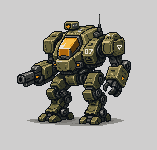
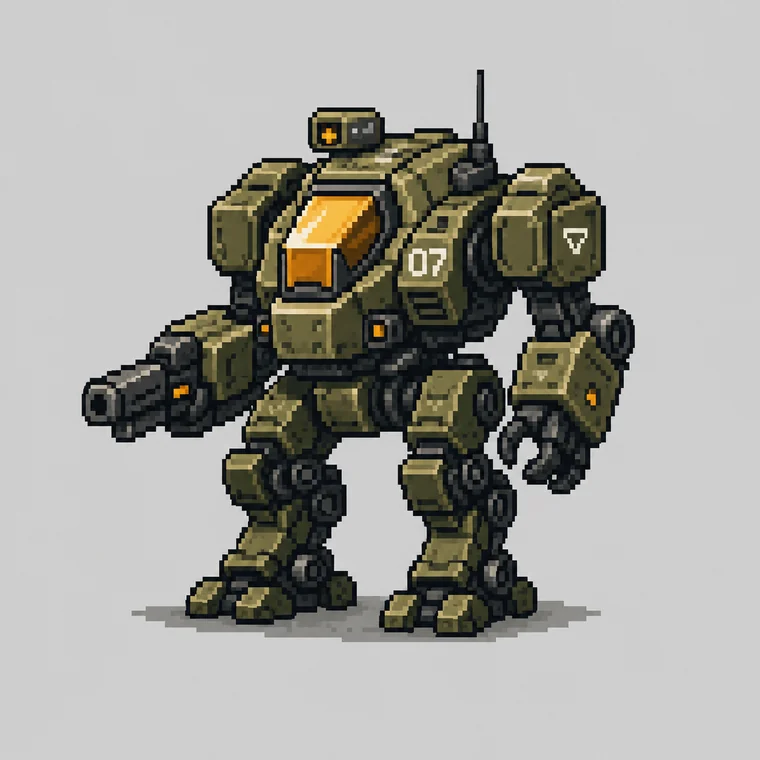
“Pixel-style” isn’t pixel art
General-purpose AI models output images that look like pixel art but aren’t: the “pixels” drift off-grid, blur into each other, use thousands of nearly identical colors, and there’s no clean transparency.
Game engines don’t care how it looks. They need the real thing. Tiles that align to a grid, sprites that pack into atlases, palettes you can actually swap, edges that cut out cleanly. That’s the difference between an image and an asset.
The Fixer measures the implied grid, snaps every cell to a single true pixel, and rebuilds the image at its native resolution: real pixels, ready for engines, editors, and palettes.
Touch and drag on the frog to zoom in. Those aren’t clean pixels: they’re soft, smeared, and off the grid.
 Pixel-style, not pixel art
Or skip the conversion entirely
Retro Diffusion generates real pixel art from the start: grid-aligned, palette-locked, animation-ready. Built by a working pixel artist and designed for game developers and artists, so what you make drops straight into your game. New accounts start with $0.50 of balance, no card needed. Your balance never expires.
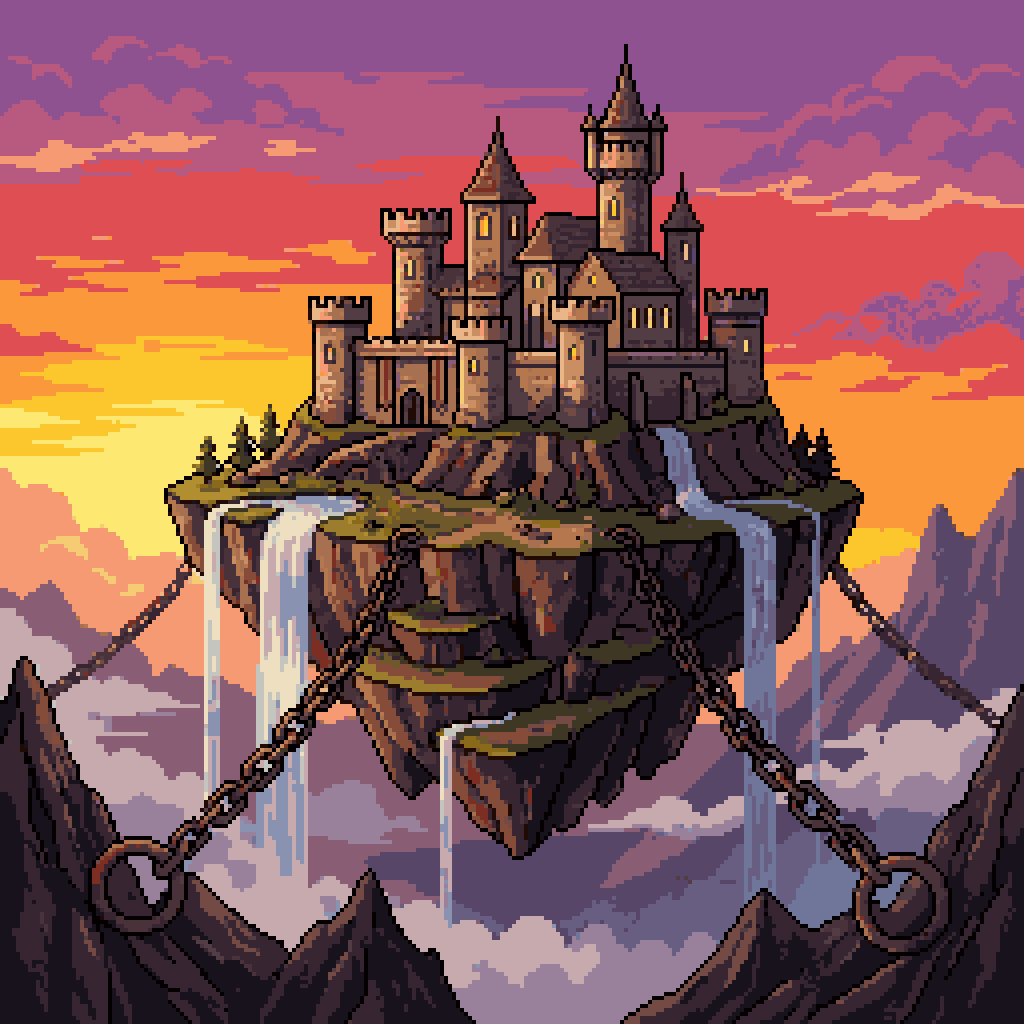 RD Pro
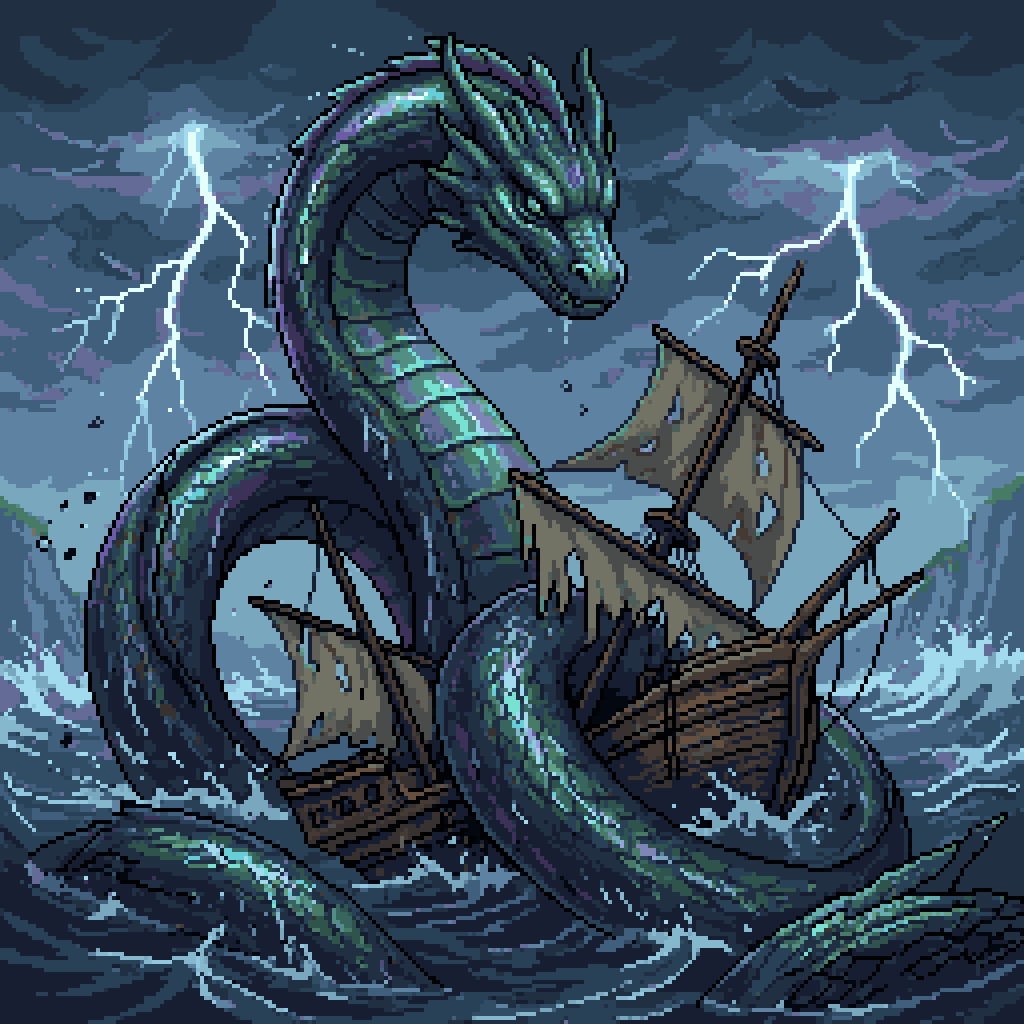 RD Pro
 RD Fast
 RD Plus
Bulk fixing on the API
Fixing a whole asset folder, or wiring cleanup into your pipeline? The Pixel Art Fixer is available on the Retro Diffusion API for bulk use, alongside generation, animation, and every editing tool. Sign in and create a key under “Developer Tools” to get started. Learn more about the API →
import base64
from pathlib import Path
import requests

response = requests.post(
    "https://api.retrodiffusion.ai/v2/pixel-fixer/standard",
    headers={"X-RD-Token": "YOUR_API_KEY"},
    # URL input avoids carrying a large source in the request body.
    json={"image_url": "https://cdn.example.com/soft-sprite.png"},
    timeout=120,
)
response.raise_for_status()

# The response contains exactly one raw base64 PNG.
fixed = response.json()["base64_images"][0]
Path("fixed-sprite.png").write_bytes(base64.b64decode(fixed))

Frequently asked questions
Anything else? Ask in our Discord, the team hangs out there.
Yes. Free, no signup, no watermarks. Fix as many images as you like.
Standard is a deterministic grid detector and snapper, and it’s open source. Neural is a machine learning reconstruction that handles the hard cases: heavy blur, warped grids, mushy detail. It’s exclusive to retrodiffusion.ai, and still free.
The standard engine runs entirely in your browser. Neural images are sent securely to our CPU reconstruction service for processing and are not retained.
Output from general AI models that imitates the look of pixel art without the structure: uneven pseudo-pixels, thousands of colors, no grid, no clean alpha. It can’t be tiled, palette-swapped, or edited pixel-by-pixel until it’s converted.
AI generations from any model, bad upscales, JPEG-crushed sprites, and screenshots of pixel art. The clearer the implied grid, the better the snap, and you can force a pixel size manually.
That’s what Retro Diffusion is for: models that generate real, grid-aligned pixel art directly, with styles, animation, and tilesets. It’s free to start, no card needed.
Measured against every other tool
Anyone can claim their converter is the best. So we built an open benchmark, pixel-bench, that takes real pixel art, distorts it the way AI models and bad upscales do (fractional scaling, blur, JPEG, noise, grid drift, painterly mush), and scores how faithfully each tool rebuilds the original. Across 4,300 distorted images spanning 43 kinds of damage, here is how the standard engine compares to the other popular fixers.
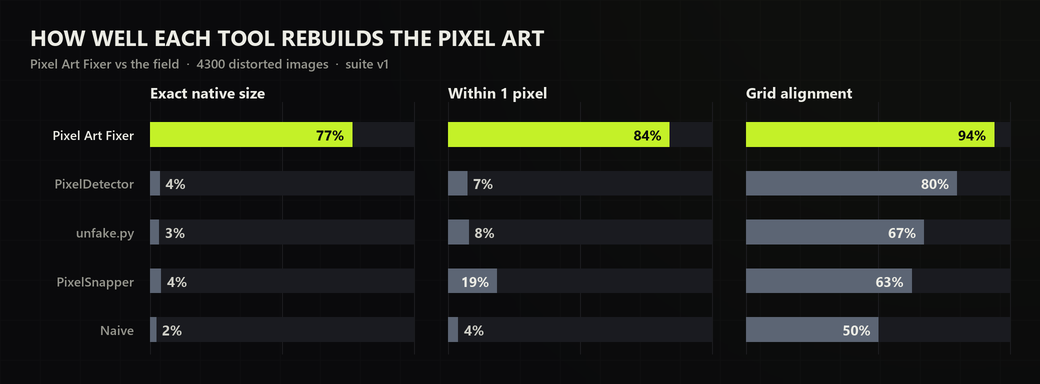
That is the standard, open-source engine, not the neural one. It recovers the exact native resolution on 77% of images, where no other tool clears 5%, and its detected grid lines land on the true grid more than nine times out of ten. It leads every category, from clean upscales to heavy mush and painterly fakes. Full methodology, every metric, and per-category results are in the open pixel-bench repo →
Explore the benchmark on pixel-benchThe standard engine is open source
The deterministic grid detector behind the standard engine is free and open source: the full Python reference, a fast Rust port, and a deep writeup of how the detection works. Read it, run it, fork it, or wire it into your own pipeline.
Measures the implied grid of upscaled or AI “pixel-style” art and snaps every cell to a single true pixel at its native resolution.